What we do
Four kinds of work, one continuous practice
01
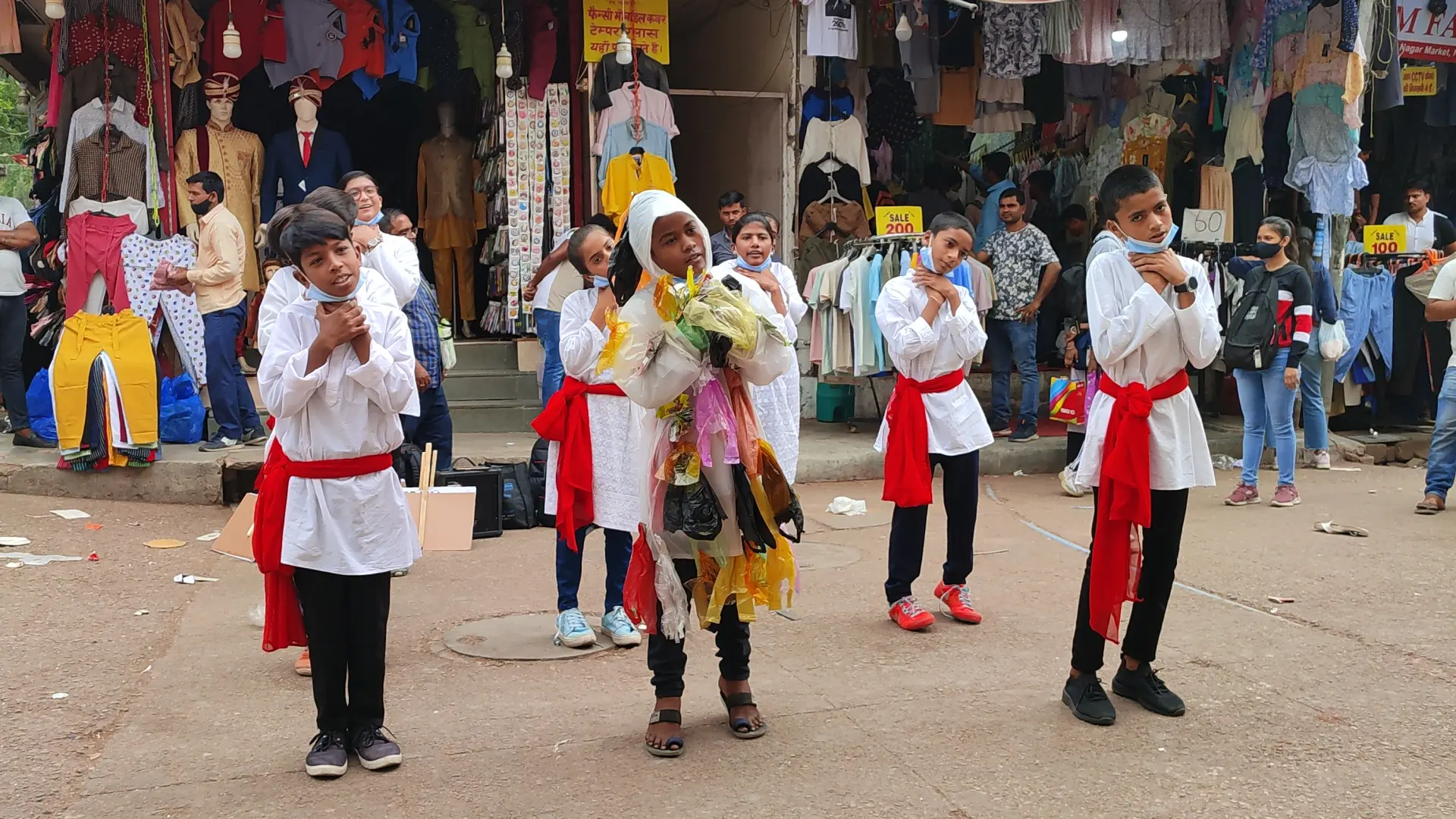
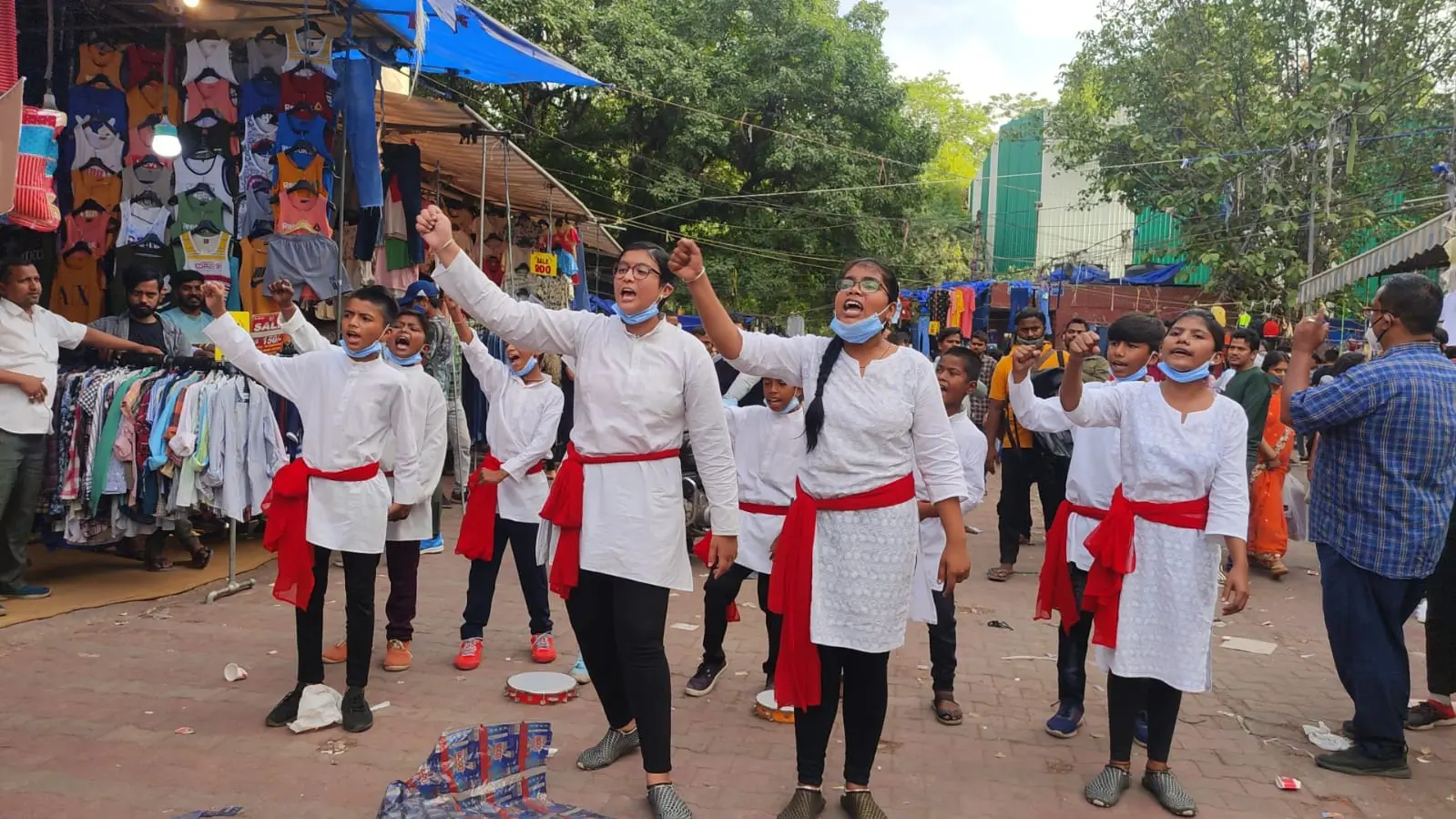
Awareness Through Street Theatre
The problem: Posters and pamphlets rarely break through the noise of a busy market or a village that has heard warnings before without consequence.
Our approach: Nukkad Natak - traditional street theatre - performed by Nature Bodies' own trained youth troupe, built to stop foot traffic and hold attention for minutes, not seconds.
In action: 29 performances across Delhi's markets for the Badlaav anti-plastic campaign; five villages reached for forest-fire prevention around Narharpur.
70,000+ people reached in Delhi alone; 10,000+ across the forest-fire campaign.
02
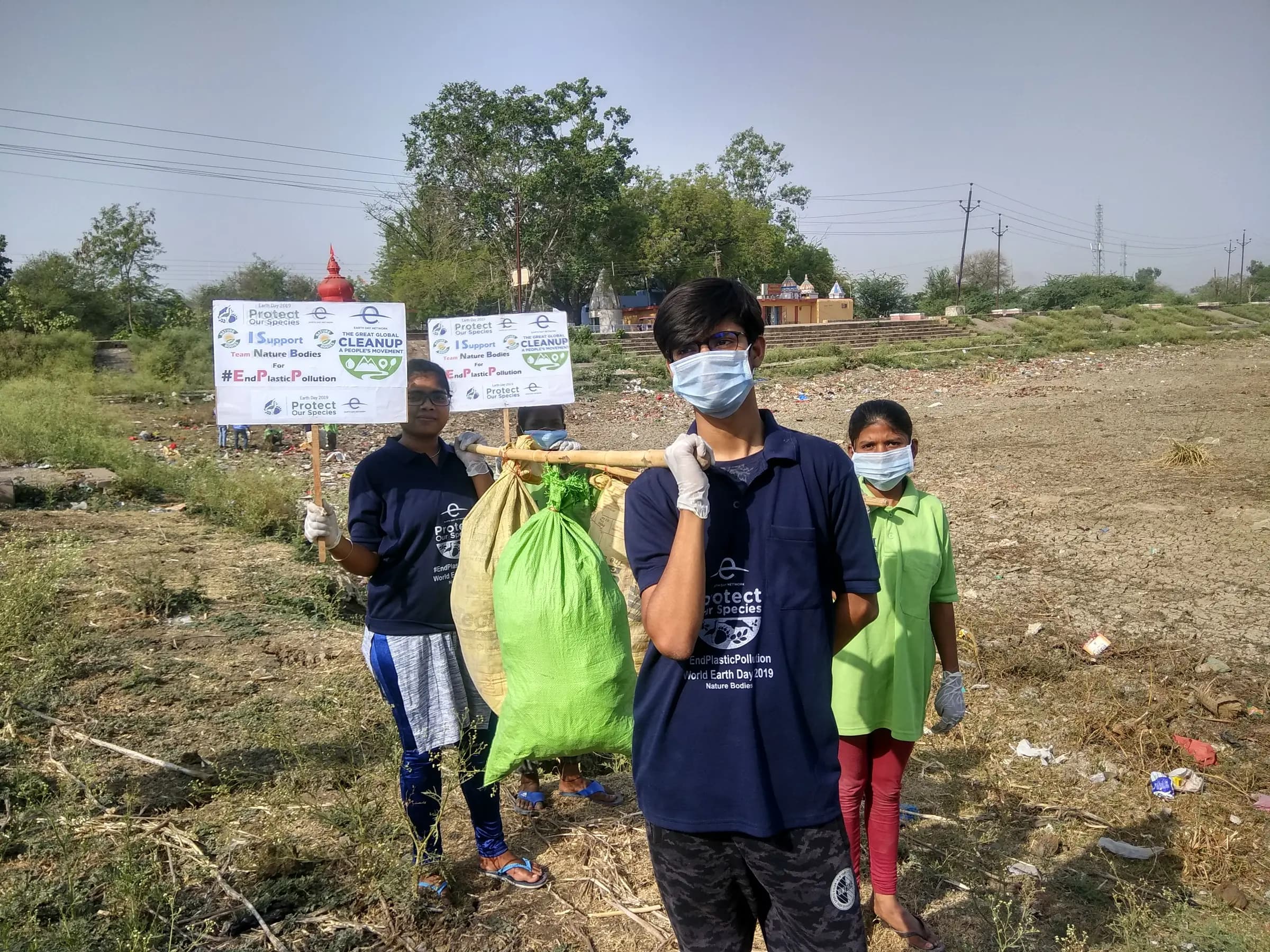
Cleanups & Water Bodies
The problem: Lakes, ponds, and market streets accumulate waste faster than informal effort can clear it - and most cleanups end after a single day.
Our approach: Organised, resourced volunteer drives - sometimes running days or weeks, not hours - built with corporate and civic partners for real capacity.
In action: A 55-day rejuvenation of Marimai Mandir Pond; a 3km Naya Raipur roadside cleanup; the Sendh Lake and Shashtri Market drives with Royal Enfield's Eicher Group Foundation.
Roughly 2 tonnes of waste removed across these drives combined.
03
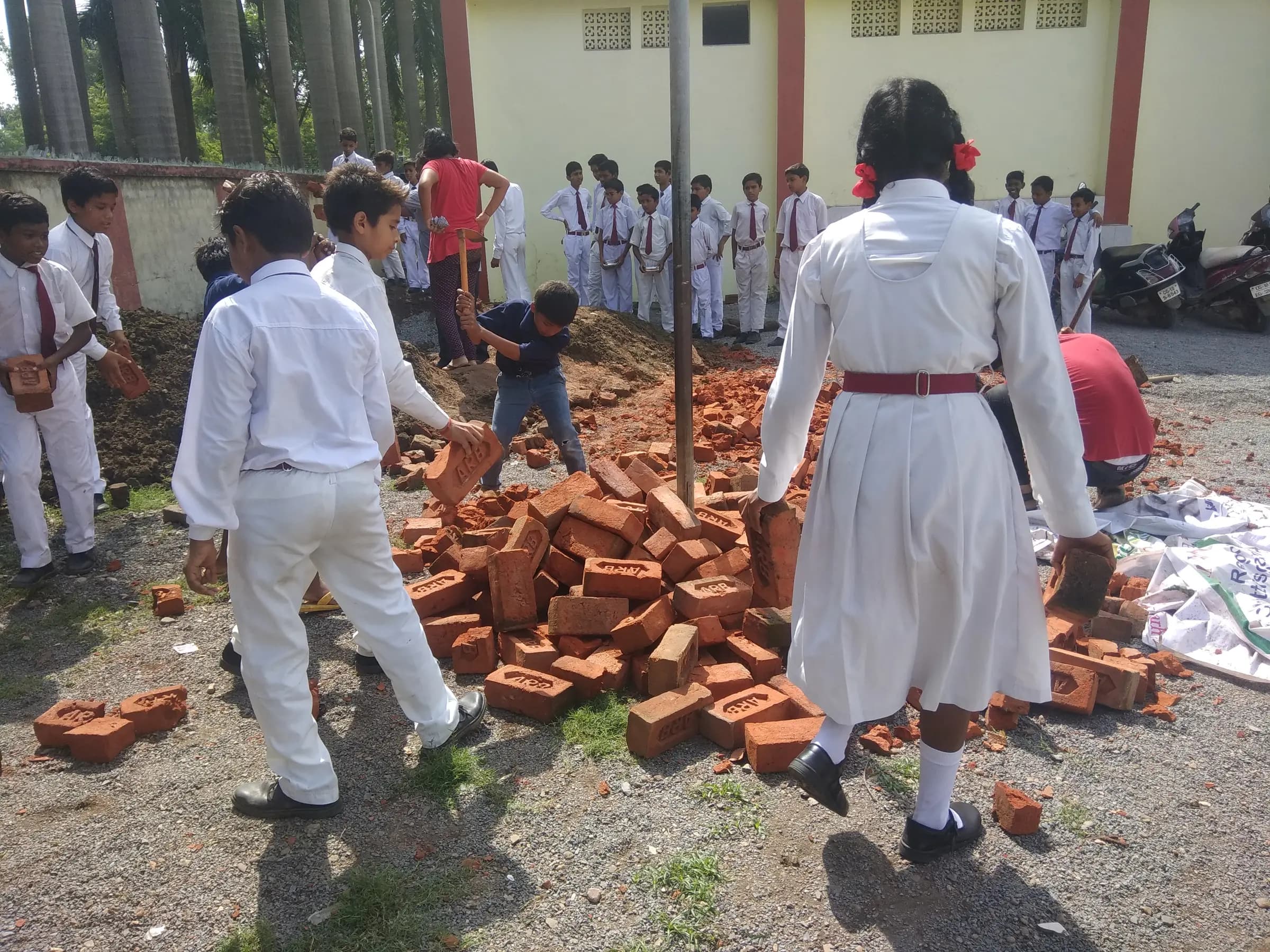
Water Conservation & Plantation
The problem: Groundwater recharge structures are usually too costly or technical for a school or small community to build on its own, and mass plantings rarely survive past their first season.
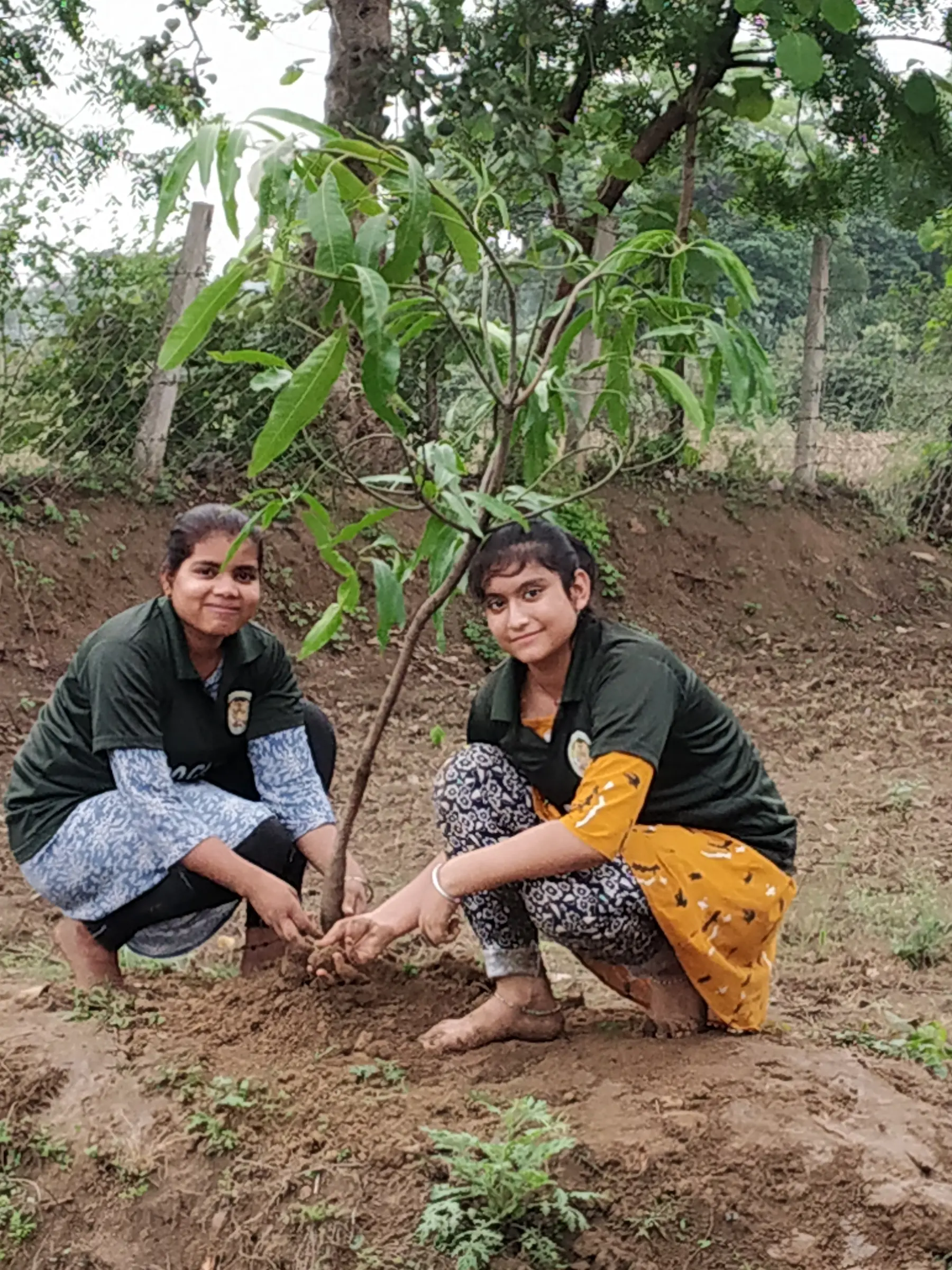
Our approach: A student-designed, low-cost soak pit built for replication at scale, paired with seed balls and individually-owned sapling plantations that build in accountability.
In action: 700+ soak pits built statewide; 2,000+ seed balls deployed; 1,478+ saplings planted between 2019–2020; 108 GPS-tracked Peepal trees under Mission Bodhi 108.
A UN Water Prize in 2017 and a template now used well beyond its original school.
04
Youth & Community Leadership
The problem: Environmental work that depends on one generation of volunteers doesn't outlast that generation.
Our approach: Building environmental leadership directly into students' education - biodiversity documentation, organic farming, and public research young people carry out themselves.
In action: Public Biodiversity Registers documented across multiple gram panchayats; a full growing season run by students at the one-acre Student's Farm; 23 self-produced plant-knowledge videos during lockdown.
A pipeline of young leaders who move from participant to organiser within the same eco club.