Chhattisgarh · Since the mid-2000s
The land doesn’t wait for us to notice it’s dying.
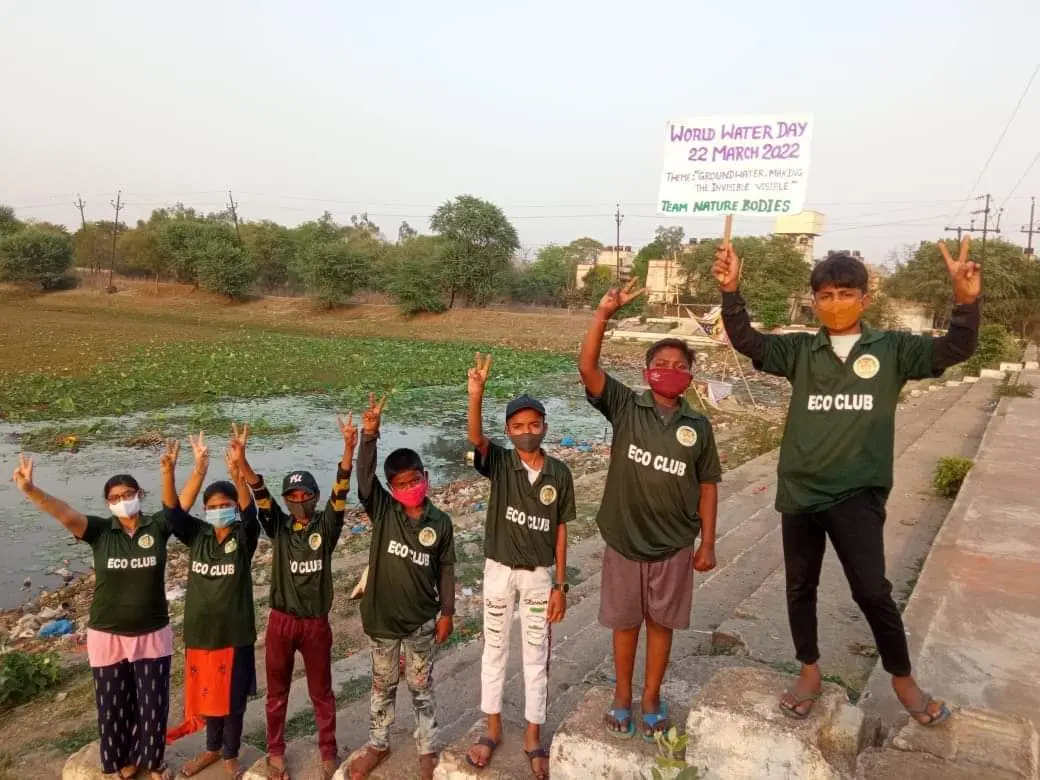
For nearly two decades, Nature Bodies Foundation has turned street theatre, cleanups, and quiet, patient fieldwork into measurable change for Chhattisgarh’s forests, water, and biodiversity - and for the young people leading it.
Live from the ground
Straight off our Facebook and YouTube - no filler
Why we exist
Chhattisgarh is losing forest cover, groundwater, and clean public space faster than most awareness campaigns can talk about it.
Plastic accumulates in markets built for daily commerce, not daily waste. Forest fires start from small, preventable causes in villages that live at the forest’s edge. Ponds and lakes that communities depend on quietly fill with waste until no one remembers what they looked like before. None of this is abstract - it is the water, air, and land that the same communities Nature Bodies works in rely on every day.
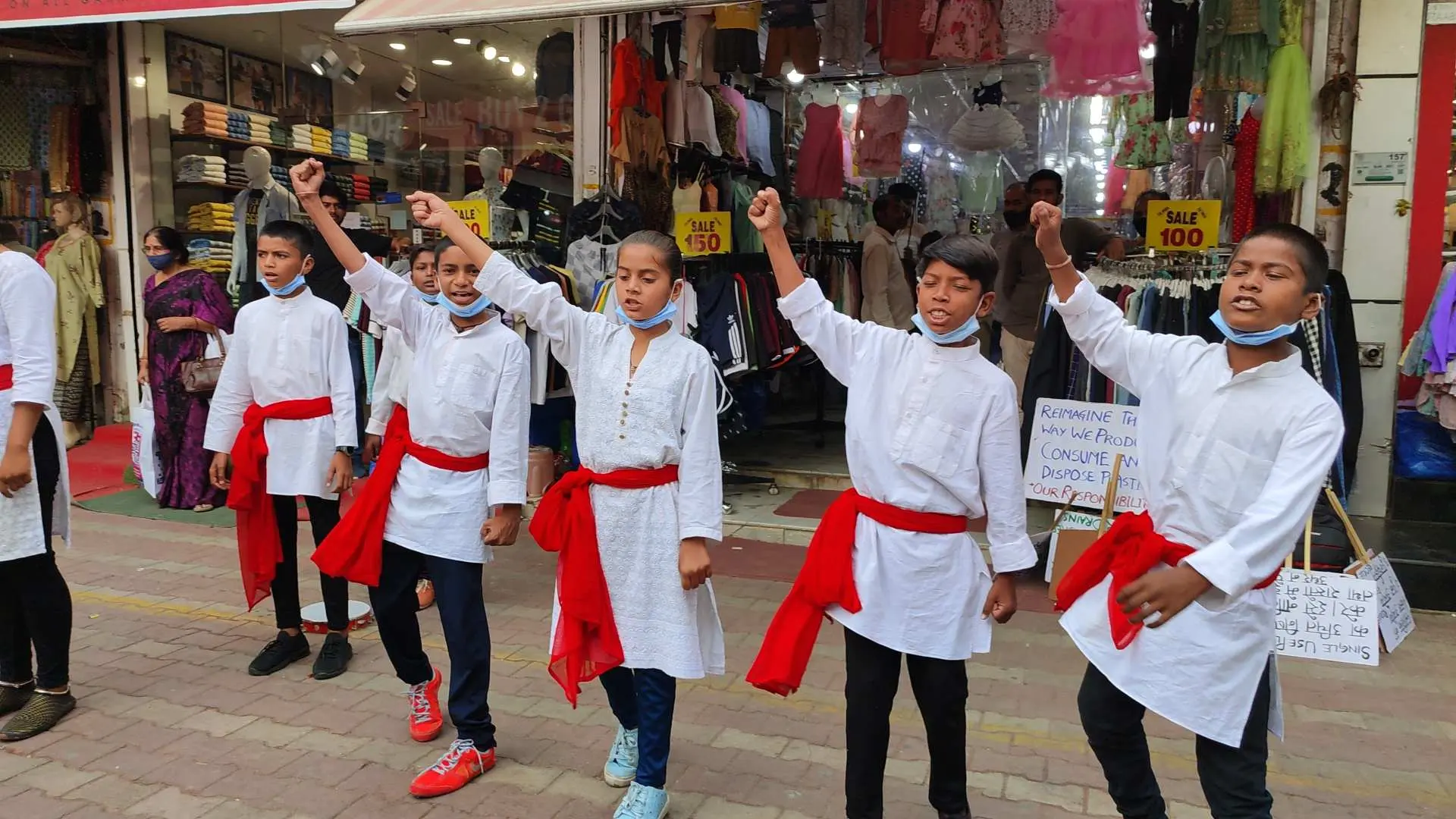
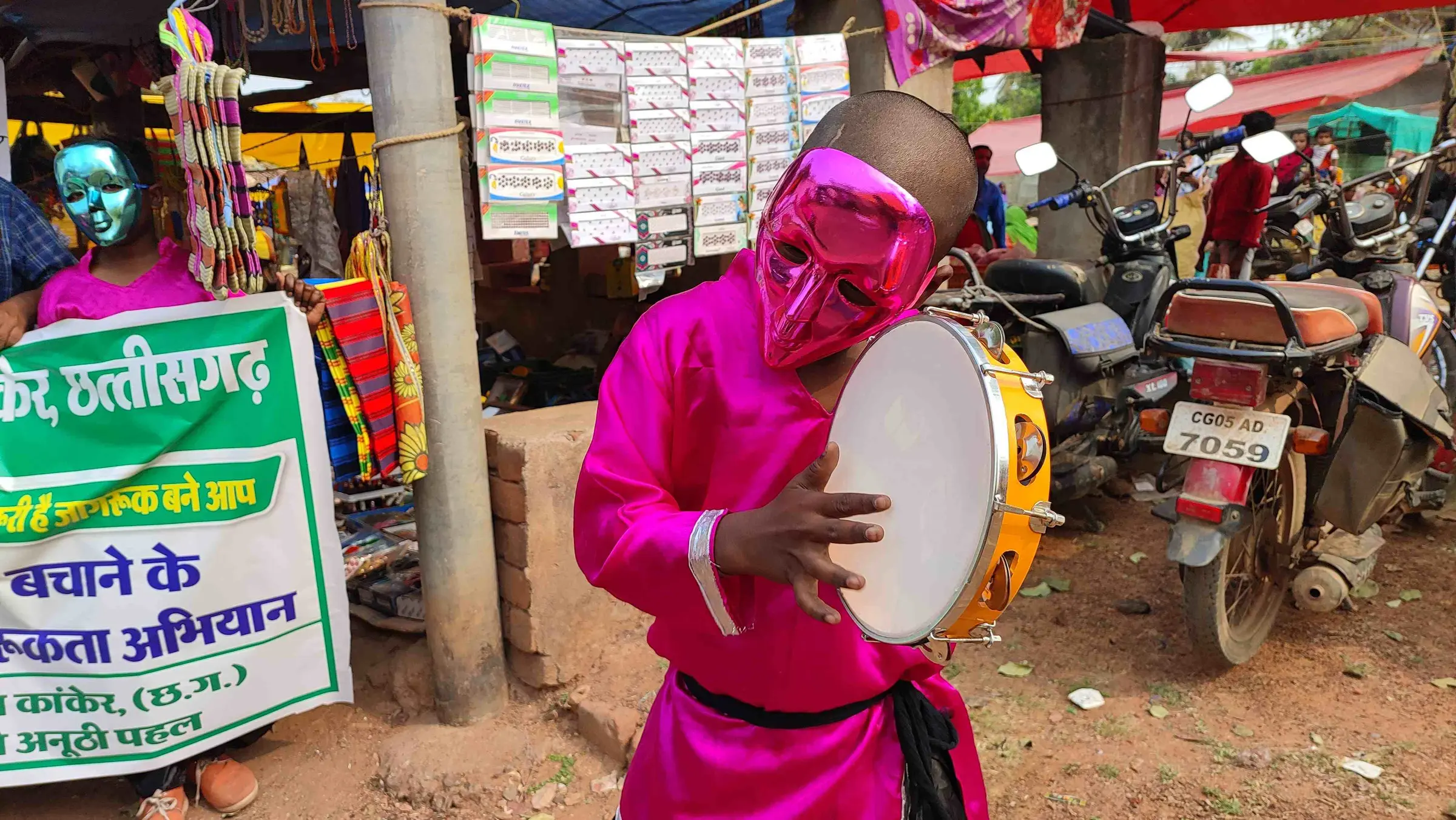
Posters and pledges rarely change behaviour on their own. What moves people is being stopped in the middle of a market by a street performance they can’t look away from, or picking up a shovel next to two hundred of their neighbours. That belief - that action has to meet people where they already are - is why Nature Bodies exists.
Our story
Who we are, and why anyone should trust us with this
Nature Bodies began as an Eco Club at Bharat Mata English Medium Higher Secondary School in Bilaspur, Chhattisgarh, founded by Panu Halder. What started as a handful of students has run continuously for close to two decades.
Many of the young people who carry out the organisation's street-theatre and awareness work today came into the eco club as students the club worked directly with, and stayed on as performers, organisers, and leaders in their own right.
As the work grew beyond one school and one city, the group incorporated formally as Nature Bodies Foundation, a Section 8 non-profit company, to take on larger, government- and corporate-partnered campaigns while keeping the same volunteer-led, community-first way of working.
- Mid-2000s
Nature Bodies Eco Club founded at Bharat Mata School, Bilaspur
- 2016–2017
Wipro Earthian Award, UN Water Prize, Guinness World Record
- 2019
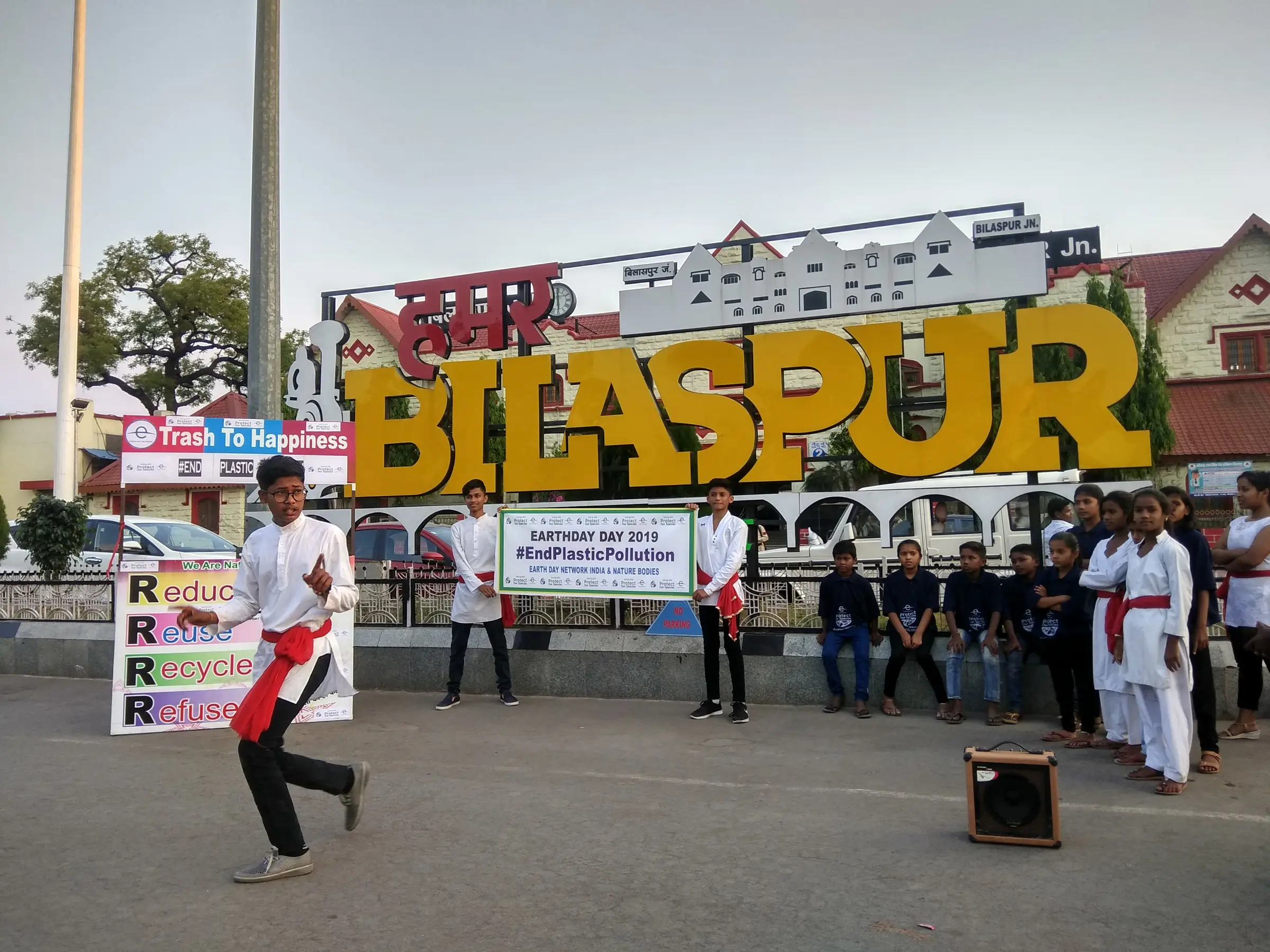
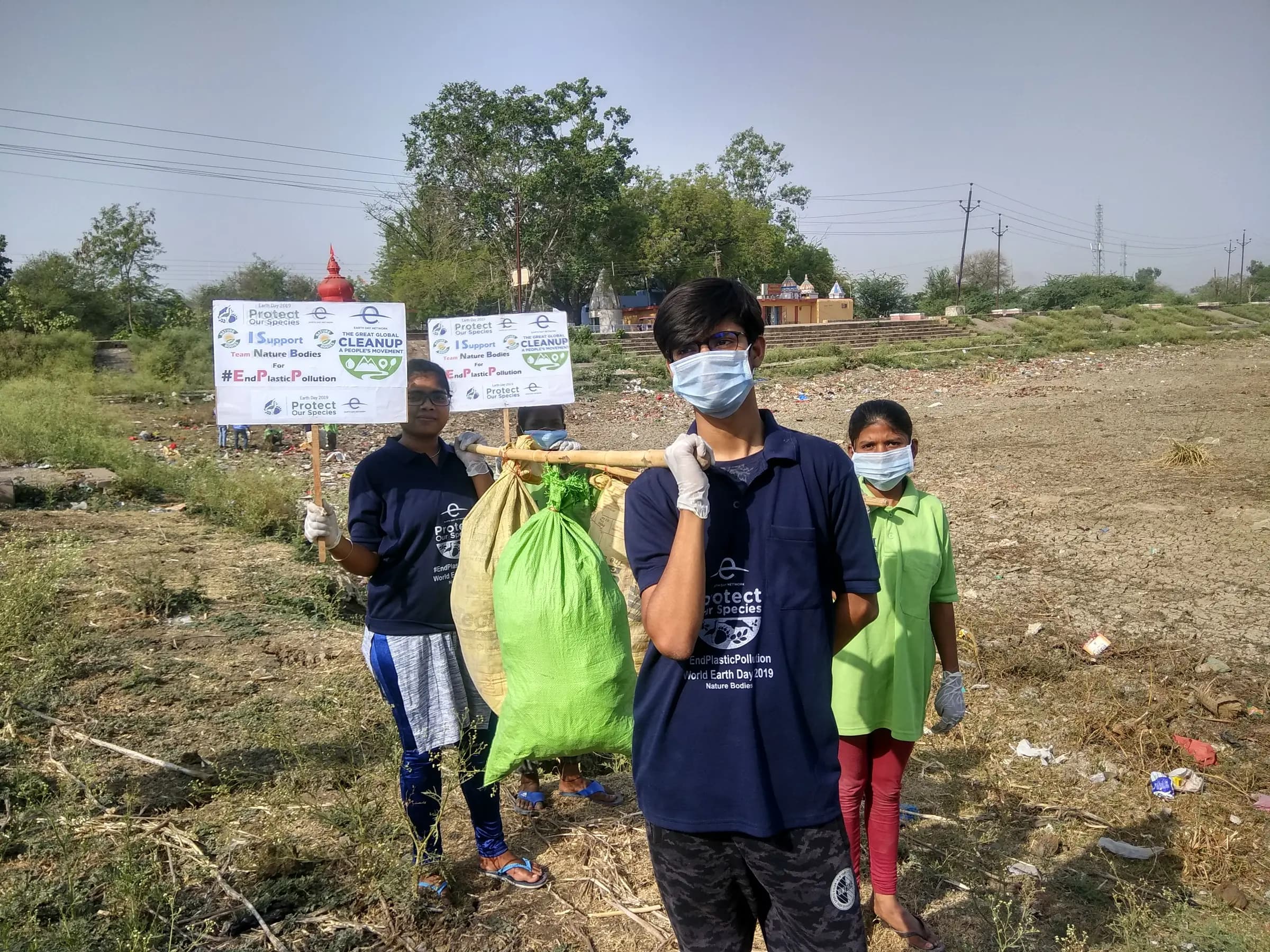
Badlaav campaign, Delhi · Great Global Cleanup win · National Best Eco Club Award
- 2022
Incorporated as Nature Bodies Foundation, a Section 8 company
What we do
Four kinds of work, one continuous practice
Campaigns
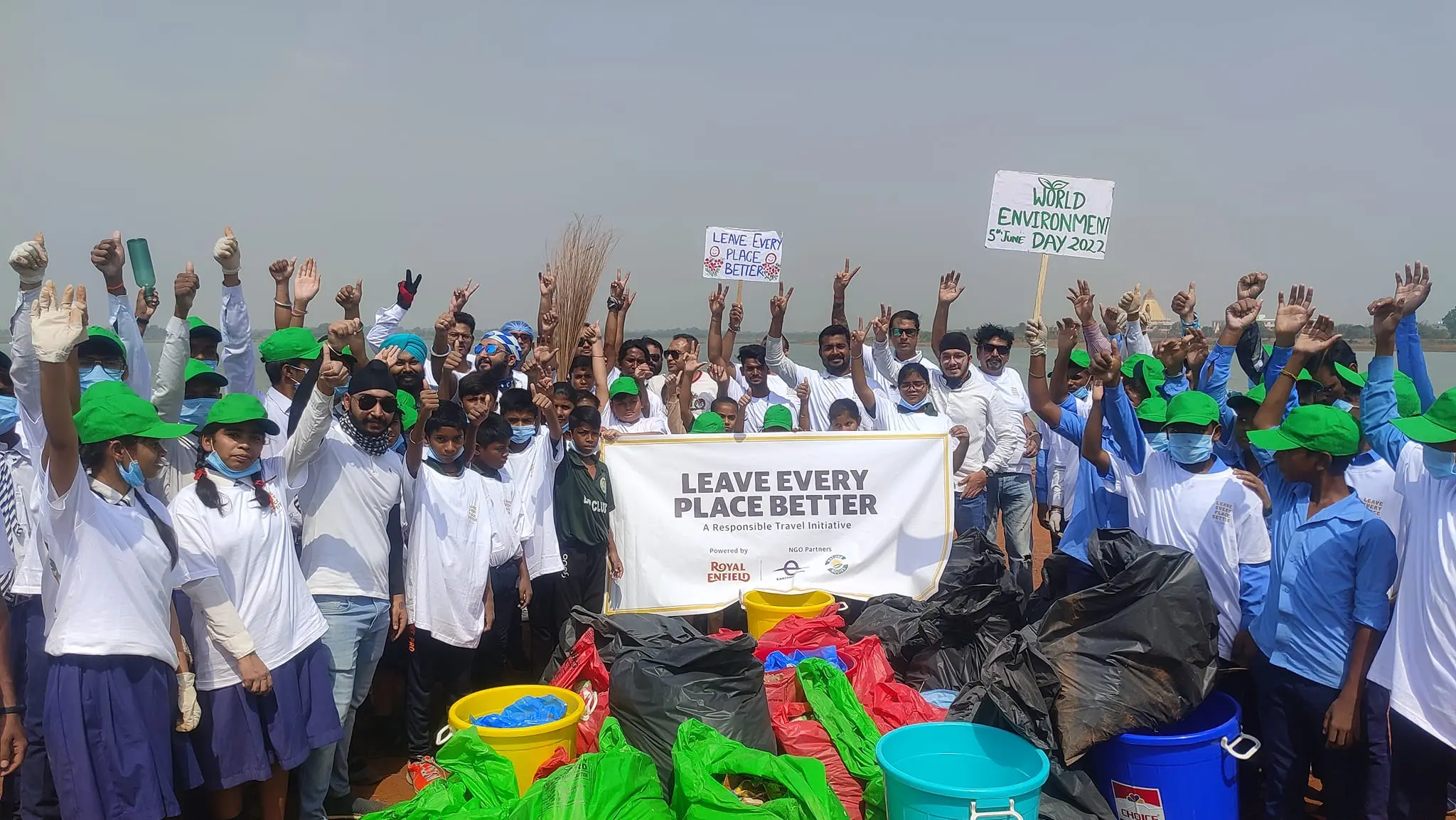
Every campaign has a story before it has a statistic
Verified impact
Numbers we can point to a specific campaign for
Years of continuous activity
Awareness campaigns conducted
People reached, BADLAAV campaign alone
Waste collected, Sendh Lake cleanup
Saplings planted (2019–2020)
Seed balls deployed
Featured story
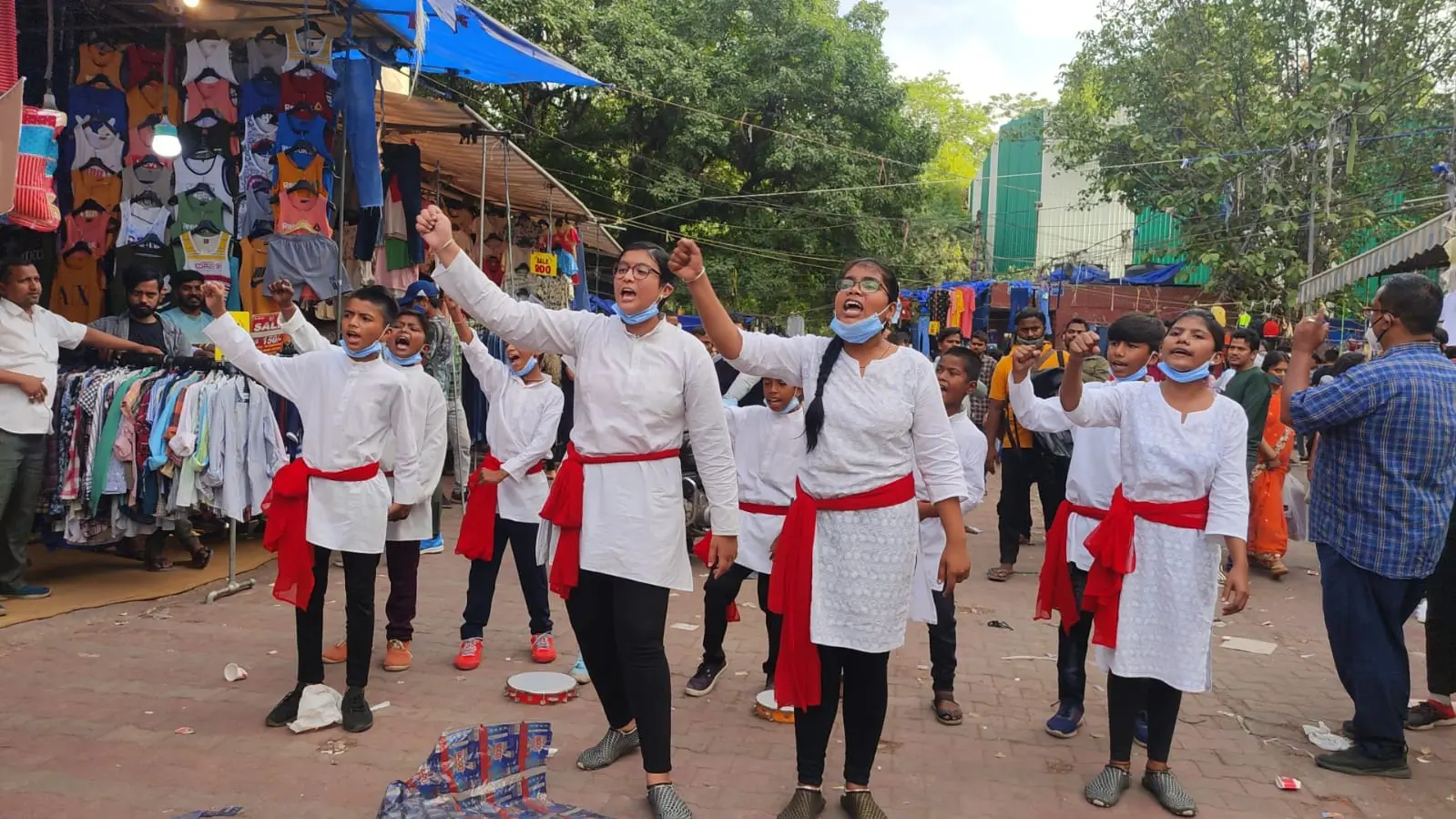
“Badlaav” - Awareness Campaign Against Plastic Pollution
29 street-theatre shows across Delhi's busiest markets, reaching over 70,000 people with a single message: refuse the plastic bag.
70,000+
People reached
29
Live performances
4
Market locations
Support the work
Your contribution keeps this work going
Every campaign on this site - every cleanup, every soak pit, every street performance - runs on volunteer time and modest, direct funding. There’s no large back office here: a donation goes toward the next cleanup drive, the next set of seed balls, the next village reached before fire season.
Choose an amount
Payments are processed securely by Razorpay. We never see or store your card details.